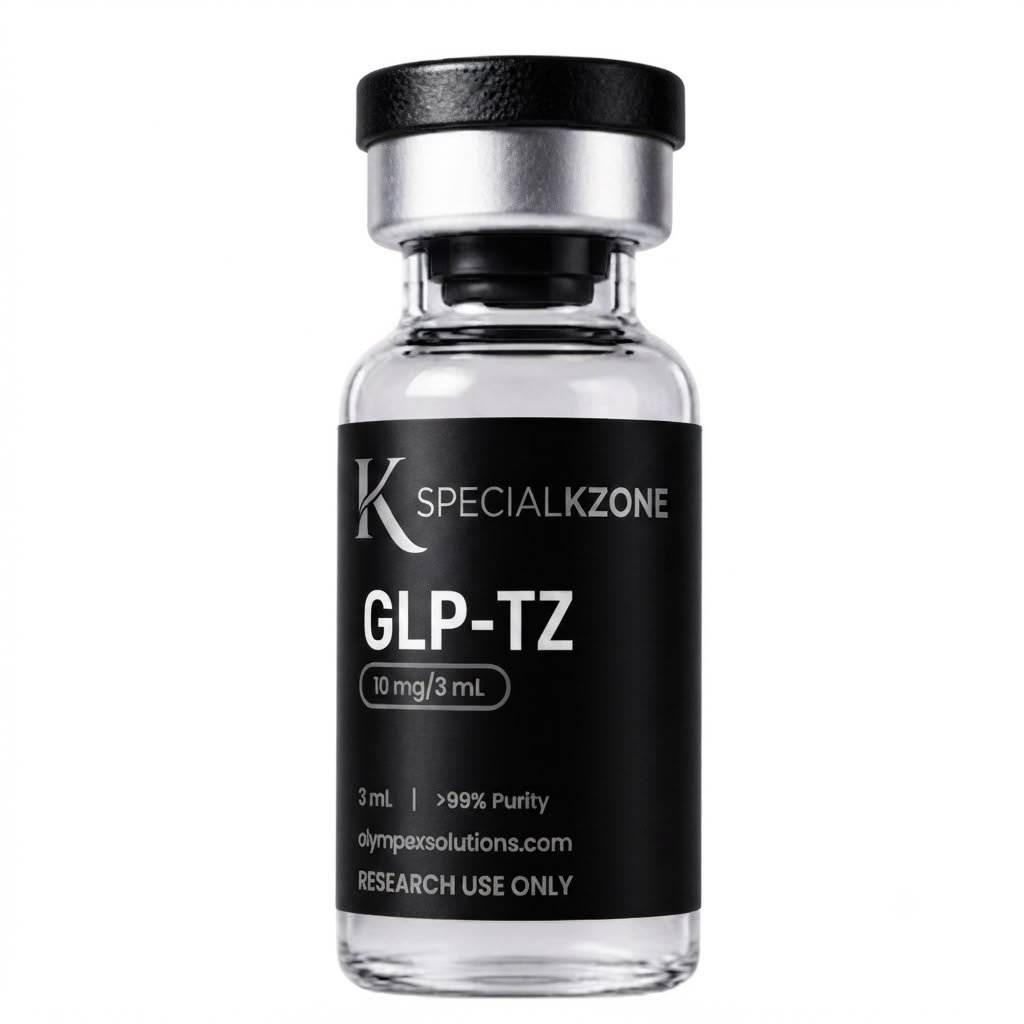
GLP-2 TZ 2mg – Glucagon-Like Peptide-2 for Intestinal Regeneration Research
Intro Paragraph (250 words)
Our pharmaceutical-grade GLP-2 TZ delivers a specialized Glucagon-Like Peptide-2 analog specifically engineered for advanced gastrointestinal research, offering laboratories a critical tool for investigating intestinal growth factor pathways, mucosal healing mechanisms, and inflammatory bowel disease therapeutics. GLP-2 (Glucagon-Like Peptide-2) is a 33-amino-acid peptide secreted by enteroendocrine L-cells in the distal ileum and colon, acting as the primary intestinotrophic hormone responsible for maintaining gut barrier integrity, villus height maintenance, and nutrient absorption efficiency. This TZ-modified variant provides enhanced enzymatic stability compared to native GLP-2, which typically degrades within minutes via dipeptidyl peptidase-4 (DPP-4) cleavage, allowing for sustained receptor activation in chronic research models.
Unlike systemic growth factors or broad-spectrum healing peptides, GLP-2 exhibits remarkable tissue specificity for the gastrointestinal tract, stimulating crypt cell proliferation and inhibiting apoptosis specifically within intestinal epithelium while sparing other tissues. For researchers investigating short bowel syndrome, Crohn’s disease models, or chemotherapy-induced mucositis, GLP-2 TZ offers targeted investigation of the GLP-2 receptor (GLP-2R) signaling cascade without the confounding variables of systemic IGF-1 or EGF activation seen with other regenerative compounds like BPC-157. When reconstituted with bacteriostatic water, this peptide enables precise dose-titration studies essential for determining optimal intestinotrophic stimulation without the desensitization issues associated with continuous native GLP-2 infusion.
The “TZ” designation indicates a C-terminal modification or specific amino acid substitution (typically Ala²-Gly substitutions or similar structural modifications) that confers DPP-4 resistance while maintaining full GLP-2R agonist activity. This structural enhancement makes GLP-2 TZ superior to native sequences for long-term research protocols investigating chronic intestinal adaptation, post-resection bowel growth, or maintenance of tight junction integrity in leaky gut models.
Mechanisms of Intestinotrophic Action
GLP-2 operates through a unique G-protein coupled receptor (GLP-2R) expressed exclusively on intestinal epithelial cells, enteric neurons, and subpopulations of immune cells within the gut-associated lymphoid tissue (GALT). Unlike the related GLP-1 receptor found on pancreatic beta cells, GLP-2R activation triggers distinct downstream pathways including cAMP-dependent Protein Kinase A (PKA) activation, PI3K/Akt survival signaling, and MAPK/ERK proliferation cascades specifically within the intestinal mucosa.
Crypt-Villus Architecture Remodeling:
The primary research application for GLP-2 TZ involves studying intestinal epithelial renewal dynamics. GLP-2 stimulates Lgr5+ intestinal stem cell proliferation within the crypts of Lieberkühn while simultaneously inhibiting enterocyte apoptosis at the villus tips. This dual mechanism results in measurable increases in villus height and crypt depth within 48-72 hours of administration in research models—a response rate significantly faster than observed with epidermal growth factor (EGF) or keratinocyte growth factor (KGF) interventions.
Nutrient Absorption Enhancement:
Beyond structural growth, GLP-2 upregulates specific nutrient transporters including SGLT1 (sodium-glucose linked transporter), GLUT2 (glucose transporter), and various amino acid carriers (PepT1). This makes GLP-2 TZ essential for research into malabsorption syndromes, examining whether enhanced transporter expression can compensate for reduced intestinal surface area in short bowel models.
Anti-Inflammatory & Barrier Function:
Unlike DSIP, which primarily modulates sleep architecture and HPA axis stress responses, GLP-2 demonstrates potent anti-inflammatory properties within the gut microenvironment. The peptide suppresses TNF-alpha and IFN-gamma production while enhancing IL-10 secretion from regulatory T-cells in the lamina propria. Additionally, GLP-2 upregulates tight junction proteins (occludin, claudin-5, and ZO-1), providing research opportunities for investigating barrier dysfunction in inflammatory bowel disease and endotoxemia models.
Research Applications & Therapeutic Models
Short Bowel Syndrome (SBS) Research:
The most critical application for GLP-2 TZ involves massive intestinal resection models studying adaptive growth of remaining bowel segments. Research indicates that GLP-2 stimulation increases remnant bowel length and diameter while enhancing absorptive capacity per unit length—a phenomenon distinct from simple hypertrophy and involving true hyperplasia of functional enterocytes.
Inflammatory Bowel Disease (IBD) Studies:
For Crohn’s disease and ulcerative colitis research, GLP-2 offers investigation into mucosal healing independent of immunosuppression. Unlike TNF-alpha inhibitors that merely suppress inflammation, GLP-2 actively rebuilds damaged epithelium while maintaining the epithelial barrier that prevents bacterial translocation. Research protocols examine GLP-2 as an adjunct therapy for maintaining remission after acute inflammatory episodes.
Chemotherapy-Induced Mucositis:
High-dose chemotherapy and radiation damage intestinal crypt stem cells, causing severe mucositis. GLP-2 TZ research investigates crypt cell radioprotection and accelerated regeneration following cytotoxic insult, potentially offering models for reducing cancer treatment morbidity without compromising tumoricidal effects.
Metabolic Syndrome & Obesity:
Emerging research utilizes GLP-2 to study the gut-brain axis involvement in metabolic regulation. The peptide slows gastric emptying and modulates hypothalamic appetite centers through vagal afferent signaling, distinct from GLP-1’s direct pancreatic and gastric effects. This makes it valuable for researching the intestinal component of metabolic disorders.
Comparison to Systemic Healing Peptides:
While BPC-157 demonstrates remarkable gastric and systemic healing through angiogenesis and growth factor modulation, GLP-2 TZ offers organ-specific targeting that eliminates confounding variables from wound healing in other tissues. Researchers often utilize both peptides simultaneously to distinguish between local intestinal effects and systemic growth factor responses.
Product Specifications & Analytical Data
- Compound: GLP-2 TZ (Modified Glucagon-Like Peptide-2)
- Sequence: Modified HADGSFSDEMNTILDNLAARDFINWLIQTKITD (TZ variant typically features DPP-4 resistant substitutions at position 2)
- Molecular Formula: C₁₅₅H₂₅₂N₄₄O₅₅S (approximate, varies by specific TZ modification)
- Molecular Weight: ~3,500-3,700 Da depending on modification
- Total Content: 2mg per vial (lyophilized powder)
- Purity: ≥98% (HPLC verified)
- Endotoxin Level: <0.1 EU/μg (sterile grade for cell culture)
- Appearance: White to off-white lyophilized cake
- Solubility: Soluble in aqueous buffers, optimal in acidic solutions (pH 4-5)
- Storage: -20°C stable (lyophilized), -80°C for long-term (>6 months)
- Reconstituted Stability: 7 days at 2-8°C (use bacteriostatic water with acetic acid for extended stability)
Quality Verification:
Each batch undergoes mass spectrometry confirmation of the TZ modification (typically Glycine substitution at position 2 or C-terminal extension) to ensure DPP-4 resistance. Bioactivity verified via GLP-2R reporter gene assay showing EC₅₀ <1nM for intestinal crypt cell proliferation markers.
Reconstitution Protocols & Research Preparation
Critical Solvent Selection:
Unlike simpler peptides, GLP-2 TZ requires careful pH consideration for optimal solubility and stability. While bacteriostatic water suffices for immediate use, superior stability is achieved by reconstituting with 0.5% acetic acid in sterile water (pH ~4.0), then buffering to pH 7.4 with phosphate buffer immediately before biological application. This prevents aggregation observed in neutral pH storage of glucagon-family peptides.
Recommended Preparation:
- Reconstitute 2mg GLP-2 TZ with 1ml of bacteriostatic water to create a 2mg/ml stock solution
- For cell culture applications, dilute further in serum-free medium containing 0.1% BSA to prevent adsorption to plasticware
- For in-vivo research models, sterile saline with 0.01% Tween-80 improves bioavailability and prevents injection site precipitation
Dosage Considerations:
Research concentrations typically range from 0.1-10 μg/kg body weight in animal models, administered via subcutaneous or intraperitoneal routes. Unlike DSIP which utilizes nasal administration for CNS targeting, GLP-2 requires systemic delivery to reach intestinal GLP-2R populations, though oral bioavailability remains negligible due to gastric degradation.
Storage, Stability & Handling Considerations
Temperature Sensitivity:
GLP-2 TZ demonstrates moderate temperature sensitivity due to its complex tertiary structure involving hydrophobic interactions between the N-terminal and C-terminal domains. Lyophilized powder remains stable for 24 months at -20°C, but frequent freeze-thaw cycles of reconstituted solution cause significant activity loss. Aliquot into single-use volumes immediately after reconstitution.
Avoid These Conditions:
- Do not expose to pH >8.0 (causes deamidation of asparagine residues)
- Avoid metal ion contamination (copper, iron catalyze oxidation of histidine and tryptophan residues)
- Minimize light exposure (protects tryptophan at position 31)
Syringe and Container Selection:
Use polypropylene rather than polycarbonate containers for long-term storage of reconstituted GLP-2, as the latter can leach bisphenol-A and other plasticizers that interfere with peptide receptor binding assays. When drawing from vials, use insulin syringes with non-metal plunger tips to prevent metal-ion catalyzed degradation.
Comparative Pharmacology & Research Positioning
GLP-2 vs. GLP-1 Research Applications:
While both are incretins secreted from L-cells, GLP-2 acts exclusively on the gut and brain, whereas GLP-1 targets pancreas, stomach, and brain. Researchers must distinguish between these pathways—GLP-1 agonists affect glucose homeostasis primarily, while GLP-2 TZ influences intestinal mass and barrier function without significant glycemic effects.
Comparison to Teduglutide:
Teduglutide (Gattex®) represents the clinical DPP-4 resistant GLP-2 analog. GLP-2 TZ offers research advantages including potentially different receptor binding kinetics and pharmacokinetic profiles suitable for comparative studies investigating next-generation intestinotrophic agents.
Synergistic Research with BPC-157:
When combined with BPC-157 in research protocols, GLP-2 TZ provides complementary healing mechanisms—GLP-2 drives epithelial proliferation while BPC-157 enhances angiogenesis and extracellular matrix remodeling. This combination proves valuable for studying complex fistula healing or anastomotic leakage prevention in surgical models, though careful controls are necessary to distinguish individual contributions.
Frequently Asked Research Questions
What does “TZ” indicate in GLP-2 TZ?
The TZ designation typically indicates a C-terminal modification or specific amino acid substitution (often Alanine to Glycine at position 2) that confers resistance to dipeptidyl peptidase-4 (DPP-4) degradation, extending half-life from minutes to hours compared to native GLP-2.
Why is GLP-2 superior to EGF for intestinal growth research?
While epidermal growth factor stimulates proliferation throughout the body, GLP-2 exhibits exquisite specificity for intestinal epithelium through restricted GLP-2R expression, eliminating confounding effects on skin, liver, or tumor cell proliferation seen with EGF administration.
Can GLP-2 cross the blood-brain barrier?
Yes, GLP-2 and analogs like GLP-2 TZ cross the BBB to activate hypothalamic and brainstem GLP-2R populations involved in appetite regulation and autonomic control of gut motility, making it valuable for gut-brain axis research distinct from peripheral intestinal effects.
What is the optimal frequency of administration in research models?
Due to the TZ modification’s extended half-life (4-6 hours vs. 7 minutes for native GLP-2), research protocols typically administer once or twice daily rather than continuous infusion required for unmodified GLP-2 studies.
Does GLP-2 affect pancreatic function like GLP-1?
No, GLP-2 does not bind GLP-1 receptors on pancreatic beta cells and does not stimulate insulin secretion or inhibit glucagon release—its effects remain primarily intestinal and neurological, allowing specific gut-focused research without metabolic confounders.
-
Compound: GLP-2 TZ
-
Quantity: 10 mg
-
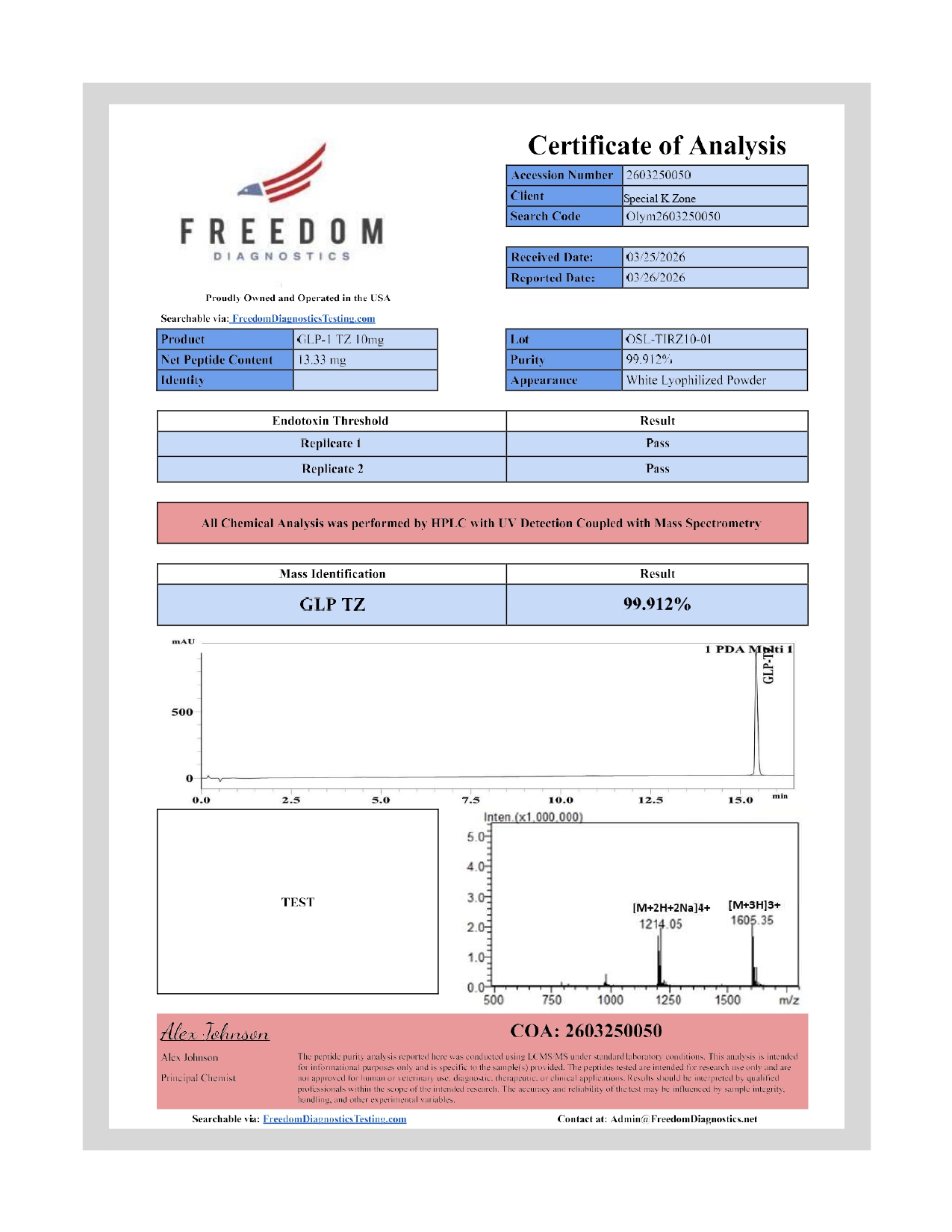
Purity: ≥99% (HPLC Certified)
-
Form: Lyophilized powder
-
Appearance: White to off-white powder
-
Solubility: Soluble in laboratory-grade sterile water
-
COA: Included in product image gallery

Reviews
There are no reviews yet.