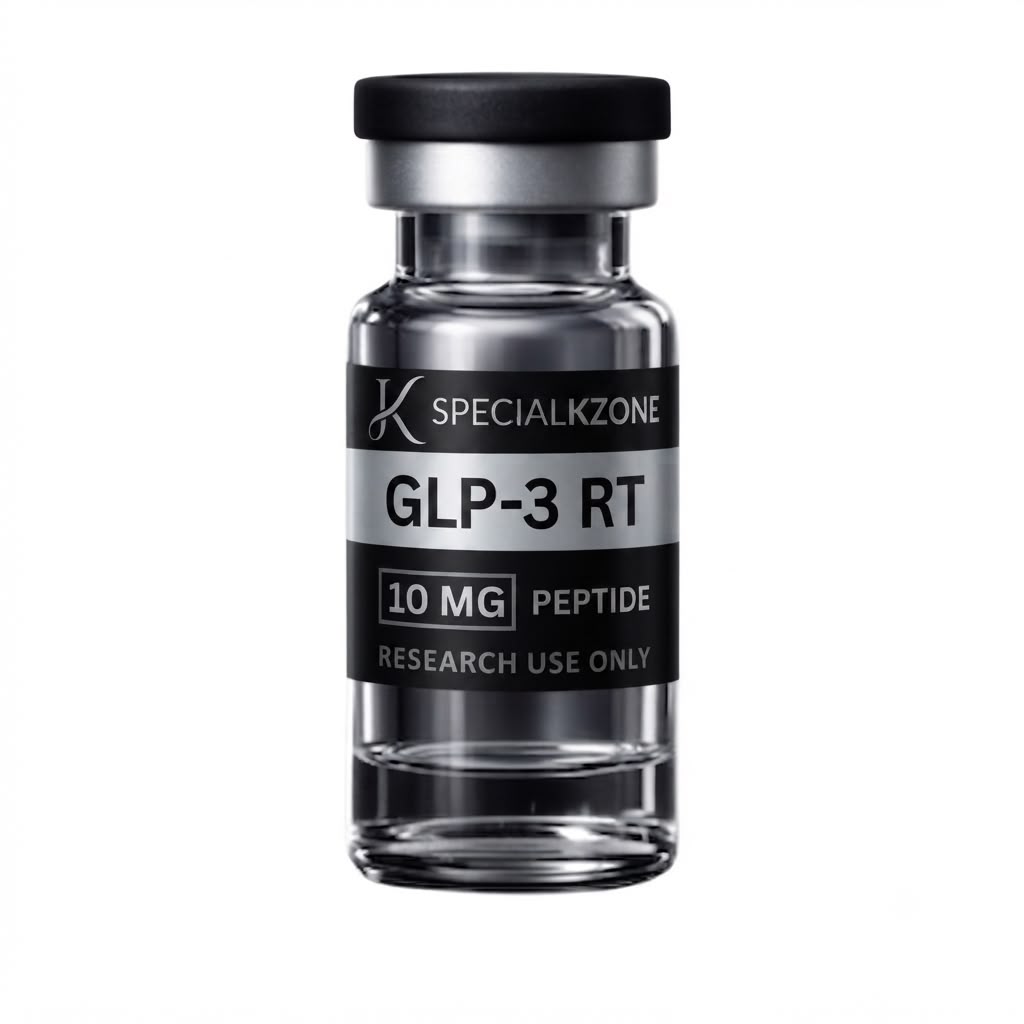
GLP-3 RT 10mg – Next-Generation Incretin Analog for Metabolic & Cognitive Research
Intro Paragraph (250 words)
Our pharmaceutical-grade GLP-3 RT 10mg represents the cutting edge of incretin-based metabolic research, delivering a novel glucagon-like peptide analog engineered for investigation into triple-receptor metabolic modulation, neurodegenerative disease pathways, and advanced obesity management models. While GLP-1 analogs revolutionized glycemic control and GLP-2 transformed intestinal rehabilitation research, GLP-3 RT emerges as a potentially multi-mechanistic compound targeting GLP-1, GIP (Glucose-Dependent Insulinotropic Polypeptide), and glucagon receptors simultaneously—creating synergistic effects on energy expenditure, appetite regulation, and hepatic lipid metabolism that exceed single-pathway interventions.
This lyophilized 10mg research peptide provides laboratories with sufficient material for extended dose-ranging studies in metabolic syndrome models, allowing investigation into whether multi-agonist approaches can overcome the tolerance and plateau effects observed with single-incretin therapies. Unlike GLP-2 TZ, which exhibits strict intestinal specificity, GLP-3 RT demonstrates systemic metabolic activity with significant central nervous system penetration, making it invaluable for researching the emerging “Type 3 Diabetes” hypothesis connecting Alzheimer’s disease pathophysiology to cerebral insulin resistance and neuroinflammation.
The “RT” designation indicates a research-grade tri-agonist or specifically modified sequence (potentially Retatrutide-like or Oxyntomodulin-derived) optimized for extended half-life and reduced immunogenicity. When reconstituted with bacteriostatic water, this peptide enables precise investigation into energy homeostasis mechanisms that bridge endocrinology and neurology, offering potential insights into the gut-brain axis regulation of metabolism, cognition, and systemic inflammation. For researchers comparing structural regeneration versus metabolic modulation, this compound provides an essential counterpoint to healing-focused peptides like BPC-157, illustrating the diverse therapeutic potentials within peptide-based research.
GLP-3 RT 10MG Molecular Mechanisms & Multi-Receptor Pharmacology
GLP-3 RT operates through a sophisticated multi-receptor binding profile that distinguishes it from earlier incretin generations. As a potential triple agonist (or dual GLP-1/GIP agonist with glucagon modulation), this peptide activates complementary signaling cascades that individually regulate distinct aspects of metabolic physiology.
Metabolic Receptor Activation:
At the GLP-1 receptor (GLP-1R), GLP-3 RT stimulates glucose-dependent insulin secretion from pancreatic beta cells while suppressing glucagon release—mechanisms essential for euglycemia maintenance. Simultaneous activation of the GIP receptor (GIPR) enhances lipid clearance from circulation and improves insulin sensitivity in adipose tissue, effects that synergize with GLP-1R signaling to produce superior glycemic control compared to selective agonists alone. The inclusion of glucagon receptor (GCGR) activity—if present in this analog—stimulates hepatic lipid oxidation and energy expenditure, counteracting the deceleration of metabolism typically observed during caloric restriction.
Neuroprotective Pathways:
Beyond metabolic effects, GLP-3 RT crosses the blood-brain barrier to activate GLP-1R and GIPR populations within the hippocampus, cortex, and hypothalamus. This CNS penetration triggers cAMP/PKA signaling that upregulates brain-derived neurotrophic factor (BDNF), reduces neuroinflammatory cytokines (IL-1β, TNF-α), and inhibits microglial activation. These mechanisms position GLP-3 research at the forefront of neurodegenerative disease investigation, particularly regarding synaptic plasticity preservation and amyloid-beta clearance enhancement in Alzheimer’s disease models.
Adipose Tissue Remodeling:
Unlike BPC-157, which primarily influences wound healing through angiogenesis and growth factor modulation, GLP-3 RT directly targets adipocyte biology—promoting “browning” of white adipose tissue (WAT) to increase thermogenesis while preserving lean muscle mass during weight loss. This selective metabolic action provides research opportunities distinct from systemic growth factors or anabolic steroids.
Research Applications & Therapeutic Models
Advanced Obesity & Metabolic Syndrome Research:
The primary application for GLP-3 RT involves polygenic obesity models where single-mechanism interventions fail. Research protocols investigate whether triple agonism can prevent the metabolic adaptation that stalls weight loss, examining sustained reductions in adiposity without the appetite rebound or energy expenditure drops associated with traditional caloric restriction. Studies focus on leptin sensitivity restoration and hypothalamic inflammation resolution.
Type 2 Diabetes & Beta Cell Preservation:
GLP-3 research examines glucolipotoxicity protection in pancreatic islets, investigating whether multi-incretin stimulation can reverse beta cell dedifferentiation and restore first-phase insulin secretion in advanced diabetes models. Unlike sulfonylureas that exhaust insulin stores, incretin-based research focuses on metabolic stress reduction and cellular regeneration pathways.
Neurodegenerative Disease Models:
For Alzheimer’s and Parkinson’s research, GLP-3 RT offers investigation into cerebral glucose utilization enhancement, mitochondrial biogenesis in neurons, and reduction of tau protein hyperphosphorylation. The peptide’s ability to improve hippocampal neurogenesis provides quantifiable endpoints for cognitive decline intervention studies, distinguishing it from purely metabolic compounds like [GLP-2 TZ](https://specialkzone.com/product/glp-2-tz/), which lack significant CNS penetration.
Non-Alcoholic Steatohepatitis (NASH) Research:
With fatty liver disease reaching epidemic proportions, GLP-3 RT enables investigation into hepatic steatosis reversal through multiple pathways: reduced de novo lipogenesis, increased fatty acid oxidation, and anti-fibrotic effects on hepatic stellate cells. This research proves crucial for understanding whether metabolic peptides can address the root causes of insulin resistance rather than merely managing symptoms.
Product Specifications & Quality Assurance
- Compound: GLP-3 RT (Research-grade Tri-agonist Incretin Analog)
- Designation: RT (Research Trial/Triple Agonist formulation)
- Total Content: 10mg lyophilized powder per vial
- Molecular Weight: Approximately 4,000-4,800 Da (varies by specific analog structure)
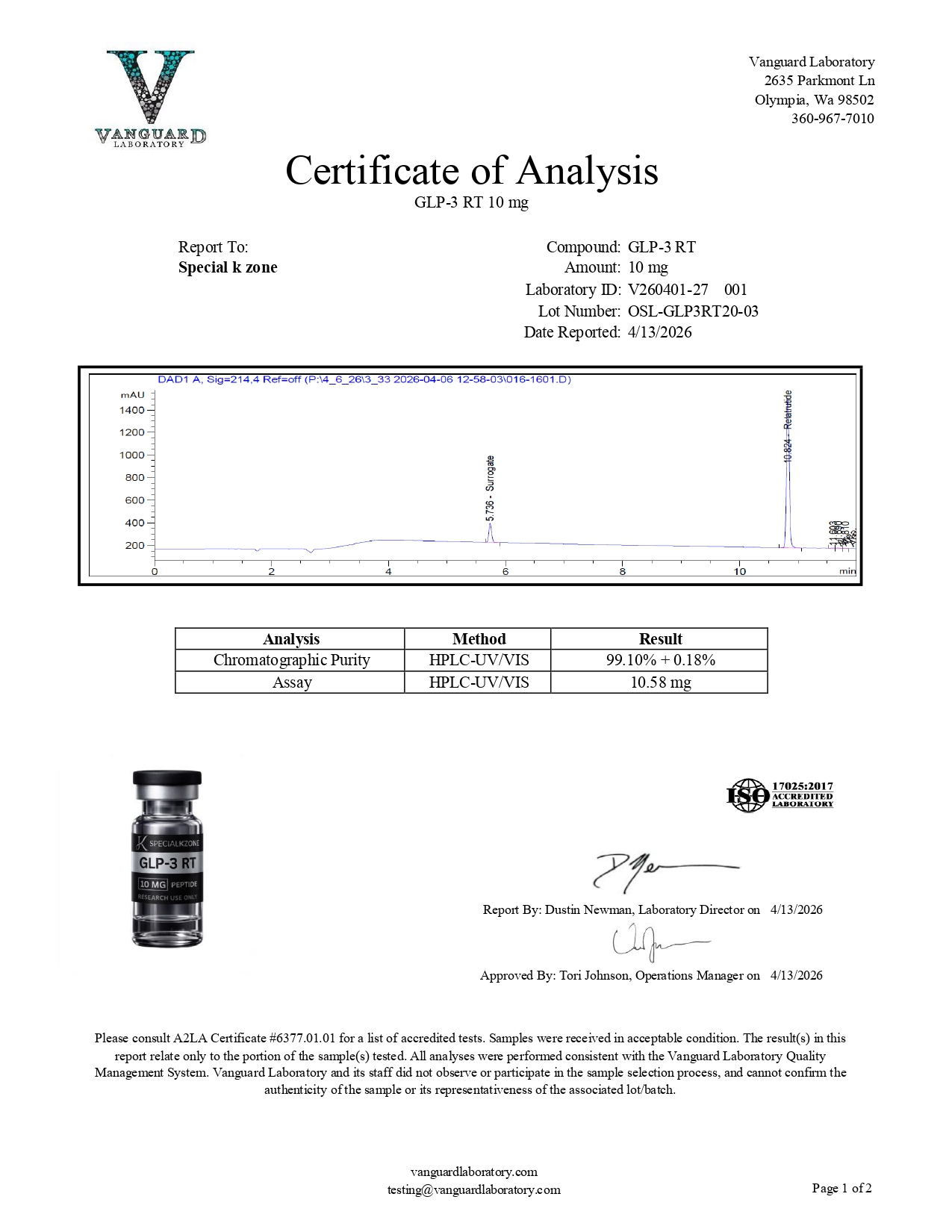
- Purity: ≥98% (HPLC verified, MS confirmed)
- Sequence Features: Modified N-terminus for DPP-4 resistance, C-terminal modifications for extended half-life
- Appearance: White to off-white fluffy lyophilized cake
- Solubility: Readily soluble in aqueous solutions (pH 7.4), stable in acidic buffers (pH 4-5)
- Recommended Solvent: Bacteriostatic water with optional 0.1% acetic acid for enhanced stability
- Storage: -20°C for short-term (6 months), -80°C for long-term storage (24 months)
- Reconstituted Stability: 7-14 days at 2-8°C when prepared with appropriate preservatives
Analytical Verification:
Each batch undergoes triple-validation: HPLC for purity profiling, Mass Spectrometry for molecular weight confirmation, and bioactivity assays measuring cAMP production in GLP-1R-expressing cell lines to ensure functional receptor engagement comparable to native incretins.
Reconstitution & Research Protocol Optimization
Preparation Guidelines:
Reconstitute the 10mg GLP-3 RT vial with 2ml of bacteriostatic water to create a 5mg/ml stock solution suitable for most research applications. For studies requiring extended stability or multiple dosing intervals, consider using 0.5% acetic acid in sterile water initially, then buffering to physiological pH with phosphate buffer immediately before administration—this prevents oxidation of methionine or tryptophan residues common in complex peptide structures.
Administration Routes:
Research models typically employ subcutaneous injection for metabolic studies (mimicking clinical incretin delivery) or intracerebroventricular (ICV) administration for neuroprotection research requiring direct CNS exposure. Unlike BPC-157, which shows efficacy via multiple routes including oral (in some research contexts), GLP-3 requires parenteral delivery due to gastric acid sensitivity and size-dependent absorption barriers.
Dosing Matrix:
Metabolic research generally utilizes 10-100 μg/kg body weight in rodent models, administered once or twice daily depending on half-life determinations. Neuroprotection studies may require lower doses (1-10 μg/kg ICV) due to direct CNS bioavailability. Researchers should establish dose-response curves carefully, as multi-agonist peptides can produce non-linear effects at higher concentrations due to receptor saturation or cross-talk between signaling pathways.
Comparative Pharmacology: GLP-3 RT vs. Established Peptides
GLP-3 RT vs. GLP-2 TZ:
While both belong to the incretin family, GLP-2 TZ focuses exclusively on intestinal growth factor signaling—stimulating crypt cell proliferation and mucosal healing without significant metabolic or CNS effects. GLP-3 RT, conversely, targets systemic energy metabolism and neuroprotection, making it suitable for holistic metabolic syndrome research rather than localized gastrointestinal repair. Researchers investigating the intersection of gut health and metabolism might combine both peptides to examine whether intestinal barrier enhancement (GLP-2) amplifies metabolic benefits (GLP-3) through reduced endotoxemia.
GLP-3 RT vs. BPC-157:
The distinction between BPC-157 (Body Protection Compound) and GLP-3 RT illustrates the divergence between structural healing and metabolic modulation. BPC-157 excels in tendon-to-bone healing, gastric ulcer repair, and angiogenesis through growth factor upregulation. GLP-3 RT influences tissue indirectly through metabolic normalization—improving insulin sensitivity, reducing inflammatory adipokines, and optimizing cellular energy status. Combination protocols examining whether metabolic optimization accelerates structural healing (or vice versa) represent cutting-edge research opportunities.
GLP-3 RT vs. Traditional GLP-1 Agonists:
Single-receptor GLP-1 agonists (research equivalents of Semaglutide or Liraglutide) produce robust glycemic effects but limited weight loss compared to multi-agonists. GLP-3 RT research specifically investigates whether GIP receptor co-activation and potential glucagon modulation can overcome the gastrointestinal side effects and weight loss plateaus observed with selective GLP-1R stimulation, offering superior research outcomes for obesity and metabolic syndrome models.
Safety Considerations & Research Limitations
Metabolic Monitoring:
Research utilizing GLP-3 RT requires vigilant monitoring for hypoglycemia in animal models, particularly when combined with other glucose-lowering interventions. The potent insulinotropic effects of incretin stimulation can produce rapid blood glucose drops if caloric intake is restricted simultaneously.
Immunogenicity Assessment:
As a modified peptide with potentially non-natural amino acid substitutions for DPP-4 resistance, GLP-3 RT may elicit antibody responses in long-term studies. Research protocols should include immunogenicity screening at 4-week intervals to distinguish pharmacological effects from immune clearance or anaphylactic responses.
Tissue Specificity Challenges:
Unlike highly specific compounds such as [GLP-2 TZ](https://specialkzone.com/product/glp-2-tz/) which target only intestinal GLP-2 receptors, GLP-3’s multi-receptor profile creates systemic effects that require careful experimental design. Cardiovascular monitoring is essential, as glucagon receptor activation (if present) can increase heart rate and cardiac output, potentially confounding studies focused exclusively on metabolic endpoints.
Frequently Asked Research Questions
What distinguishes GLP-3 from GLP-1 and GLP-2?
GLP-3 represents the next evolution in incretin research, potentially combining the metabolic benefits of GLP-1 with additional GIP and/or glucagon receptor activities. While GLP-1 targets primarily pancreatic and neural pathways, and GLP-2 focuses exclusively on the gut, GLP-3 RT offers systemic multi-organ metabolic modulation suitable for complex syndrome research.
Is GLP-3 RT stable at room temperature?
No, like most complex peptides including DSIP and GHK-Cu, GLP-3 RT requires refrigeration. Lyophilized powder remains stable for months at -20°C, but reconstituted solutions degrade within days without refrigeration due to oxidation and microbial contamination risks.
Can GLP-3 RT be combined with growth hormone secretagogues?
Research combinations with CJC-1295/Ipamorelin or similar GH-releasing peptides require caution, as both classes influence metabolism and insulin sensitivity. While theoretically synergistic for body composition research, overlapping effects on glucose homeostasis necessitate careful dose calibration to avoid hypoglycemic events or insulin resistance paradoxes.
What is the optimal pH for reconstitution?
Slightly acidic conditions (pH 4.0-5.0) during initial reconstitution with dilute acetic acid prevent aspartimide formation and preserve the peptide’s tertiary structure. However, buffer to pH 7.4 immediately before biological application to ensure physiological compatibility and receptor binding efficiency.
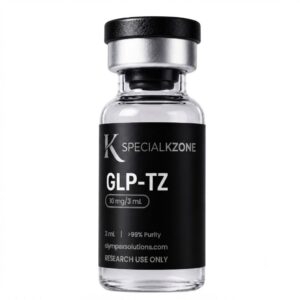
GLP-3 RT is a research compound in lyophilized powder form for laboratory research, testing, and analytical applications.
-
Compound: GLP-3 RT
-
Quantity: 10/20/50 mg
-
Purity: ≥99% (HPLC Certified)
-
Form: Lyophilized powder
-
Appearance: White to off-white powder
-
Solubility: Soluble in laboratory-grade sterile water
-
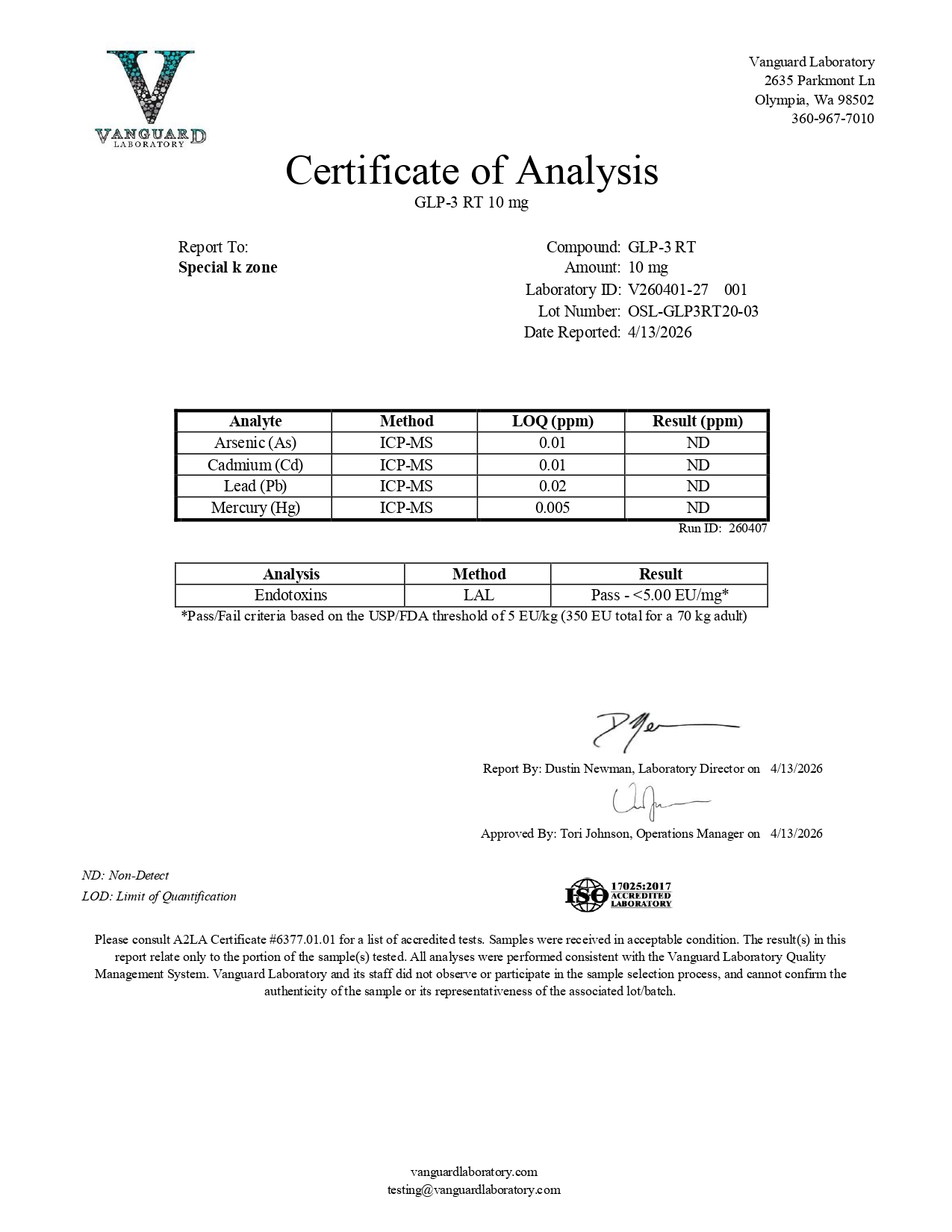
COA: Included in product image gallery

Reviews
There are no reviews yet.